5 Signs Your Switchboard Needs an Upgrade
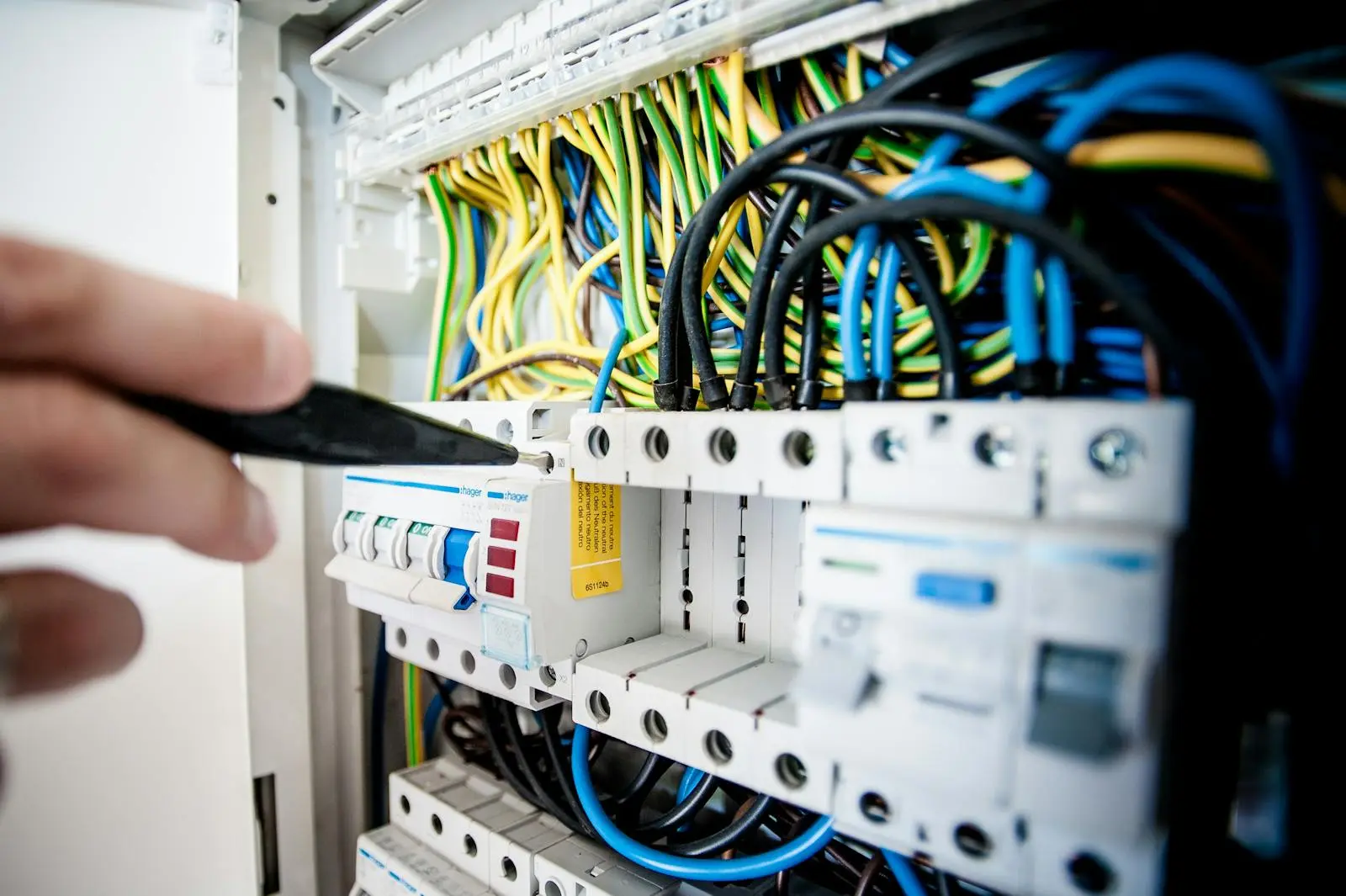
An outdated switchboard can be a serious safety risk. Here are the warning signs every Sydney homeowner should watch for, and what to do about them.
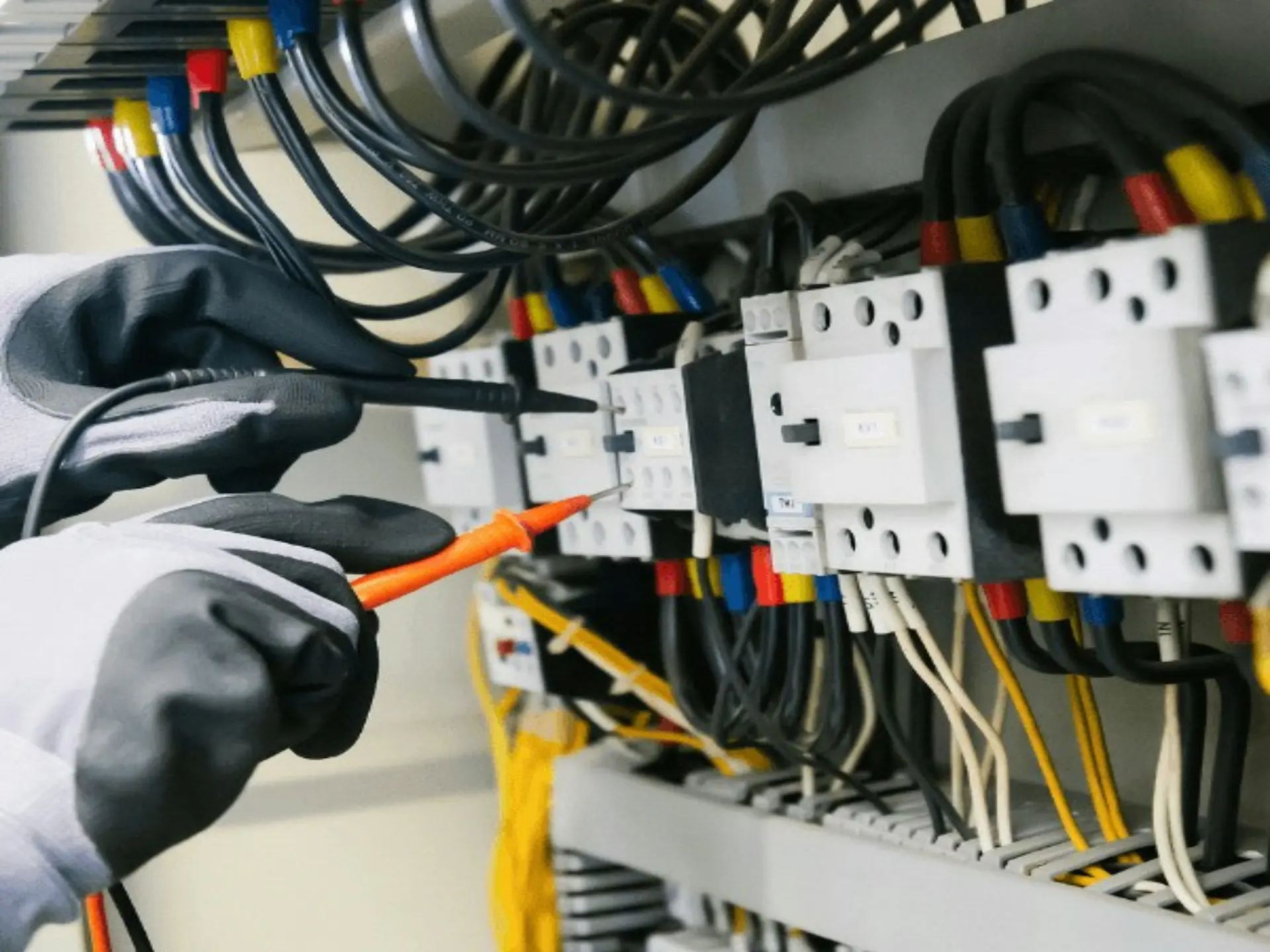
Your switchboard is the heart of your home's electrical system. When it's ageing, undersized, or missing modern safety devices, the rest of the house carries that risk. The tricky part is that switchboards rarely fail loudly. They degrade quietly until something catastrophic happens.
For Sydney homes built before the late 1990s, there's a good chance the switchboard is overdue for attention. Below are the five signs our electricians look for every time we walk into a property, and what we recommend doing about each one.
1. You still have ceramic fuses. If flipping a switch means physically replacing a fuse wire, the board pre-dates modern circuit protection entirely. Ceramic fuses cannot protect against earth faults and do not offer the response times required by current standards.
2. There are no RCDs protecting your power and lighting circuits. Residual Current Devices trip the circuit within milliseconds when they detect a current imbalance, which is what stops a fault from becoming a fatal shock. Australian Standard AS/NZS 3000 now requires RCD protection on virtually all final sub-circuits in homes.
3. The board gets warm to the touch, smells of hot plastic, or makes a persistent humming sound. Any of these is a sign that a connection is loose, a breaker is failing, or the board is running beyond its rated load. This warrants same-day attention.
4. Breakers trip repeatedly even without a clear overload cause. Nuisance tripping often points to a breaker that's reached end of life or a circuit that has been quietly overloaded by modern appliances. Both are worth investigating before the underlying issue escalates.
5. There's no space to add new circuits. Renovations, air conditioning, EV chargers, solar, and home automation all add load. A board that's fully populated becomes a bottleneck for every future upgrade you might want to make.
If any of these sound familiar, the right next step is a no-obligation switchboard audit. We inspect the board, document what's there, and put a clear upgrade path in writing so you can plan the work into a renovation or schedule it as a stand-alone job.
Key takeaways
- Ceramic fuses mean the board predates modern safety standards.
- Missing RCDs is the most common risk we find on older homes.
- Warmth, smell, or humming always warrants same-day attention.
- Plan switchboard upgrades alongside other renovation works.