Electrical Compliance for Sydney Businesses
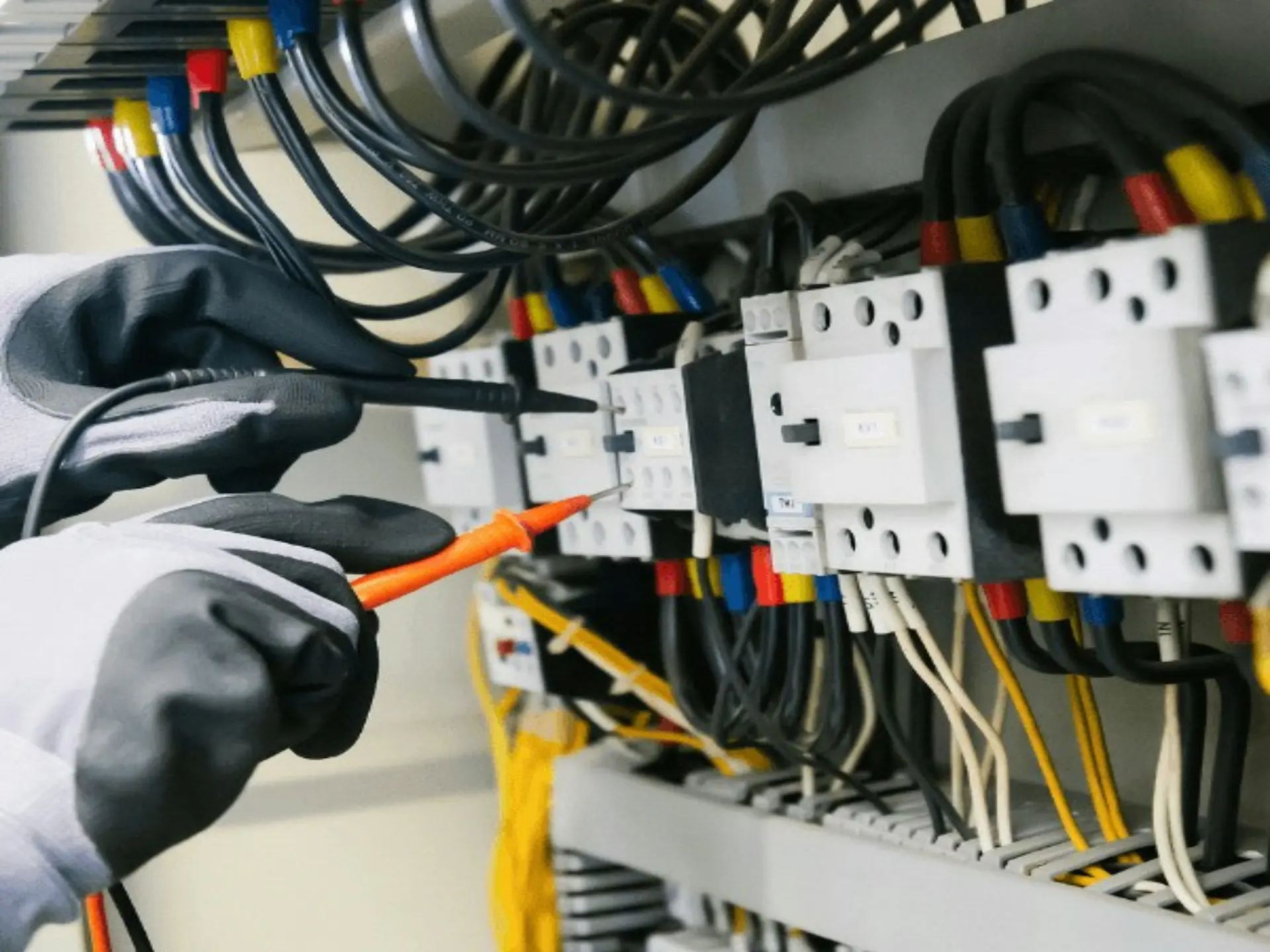
Understanding your electrical compliance obligations as a business owner in NSW, and how to stay on top of them.
Running a business in NSW carries a set of electrical compliance obligations that a lot of owners only discover when something goes wrong. The rules are not complicated, but the consequences of getting them wrong are significant. Here's the plain-English version.
Testing and tagging of portable appliances is the most visible obligation. AS/NZS 3760 sets testing intervals based on the environment the equipment lives in. For a typical office it's every five years; for a construction site, every three months. We run testing and tagging as a scheduled service so it never becomes an audit issue.
Emergency and exit lighting requires 90-minute duration testing every six months and visual inspection every three months per AS/NZS 2293. Records must be kept for inspection. This is something that frequently lapses between tenancies and becomes the new tenant's problem.
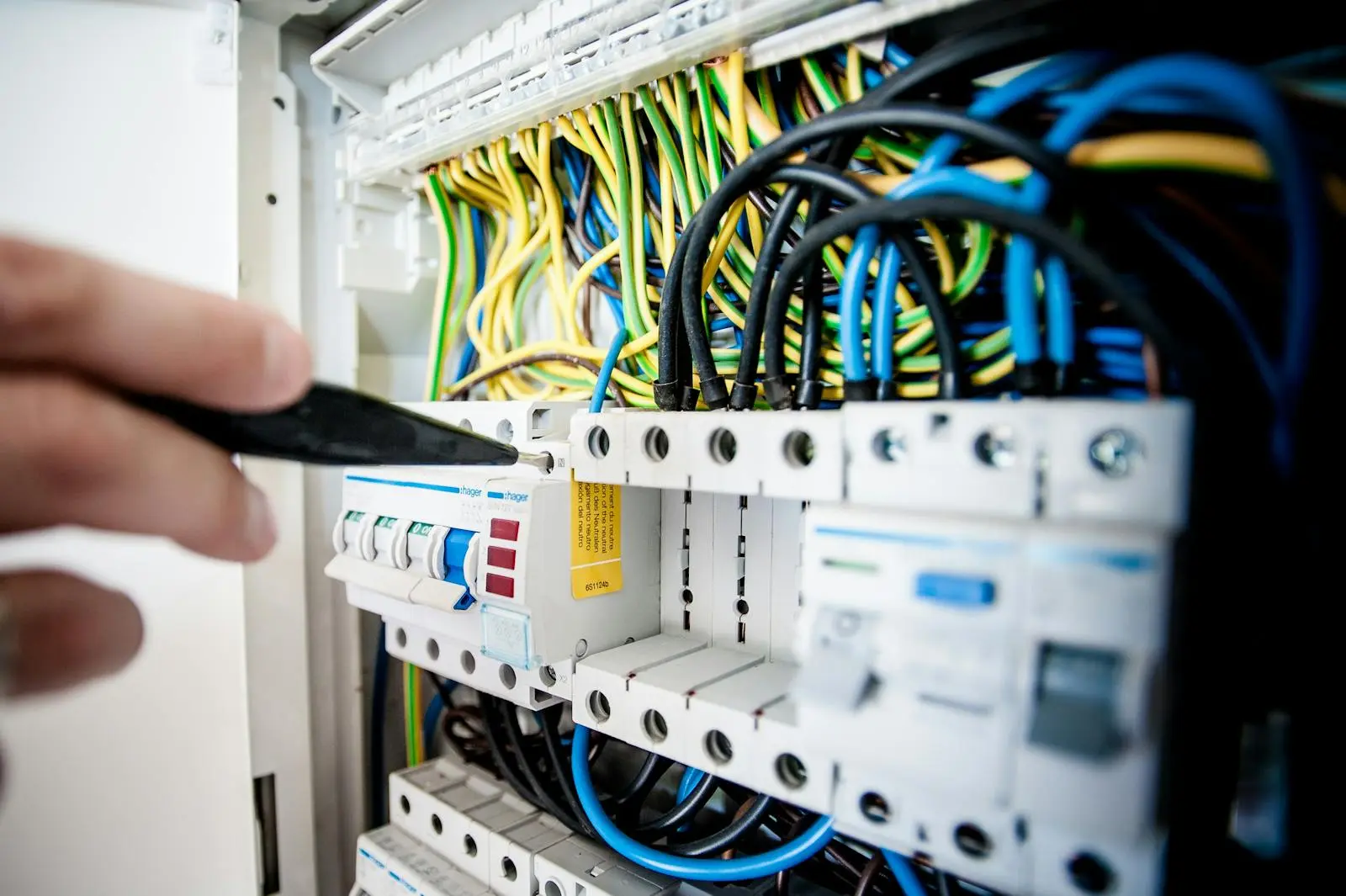
Switchboard thermal imaging is not legally required, but it's a low-cost early warning for loose terminations and overloaded connections. For commercial boards carrying significant load, we recommend a thermal audit every 12 months.
RCD testing follows the same six-month rhythm as emergency lighting for most work environments. It's the single most important piece of safety testing a commercial property needs to stay on top of.
The simplest way to handle all of this is to hand the full register to your electrical contractor and have them run it on a scheduled basis. We maintain compliance calendars for clients, file the certification paperwork on their behalf, and flag equipment that needs repair or replacement before it becomes an incident.
Key takeaways
- Test and tag intervals depend on the equipment environment.
- Emergency and exit lighting needs 90-minute duration testing twice a year.
- Annual thermal imaging catches loose terminations early.
- Hand compliance scheduling to your contractor to avoid lapses.