CCTV vs Smart Security: What's Right for You?
We compare traditional CCTV systems with modern smart security setups to help you choose the right solution for your property.
The line between CCTV and 'smart security' has blurred to the point where the language matters less than the outcome. What actually differs between systems is how they store footage, how they alert you, and how well they integrate with the rest of your home or business.
Traditional CCTV, typically built around an on-site NVR with four or more cameras, is still the benchmark for image quality and reliability. Footage lives on your hardware, retention periods are long, and the system keeps working whether or not your internet does.
Smart security, loosely grouped around cloud-first products like Ring, Eufy, or Arlo, has improved a lot in image quality but is fundamentally dependent on consumer-grade cloud services. That's fine for a casual renter; it's less reassuring for a property that needs evidentiary-quality footage.
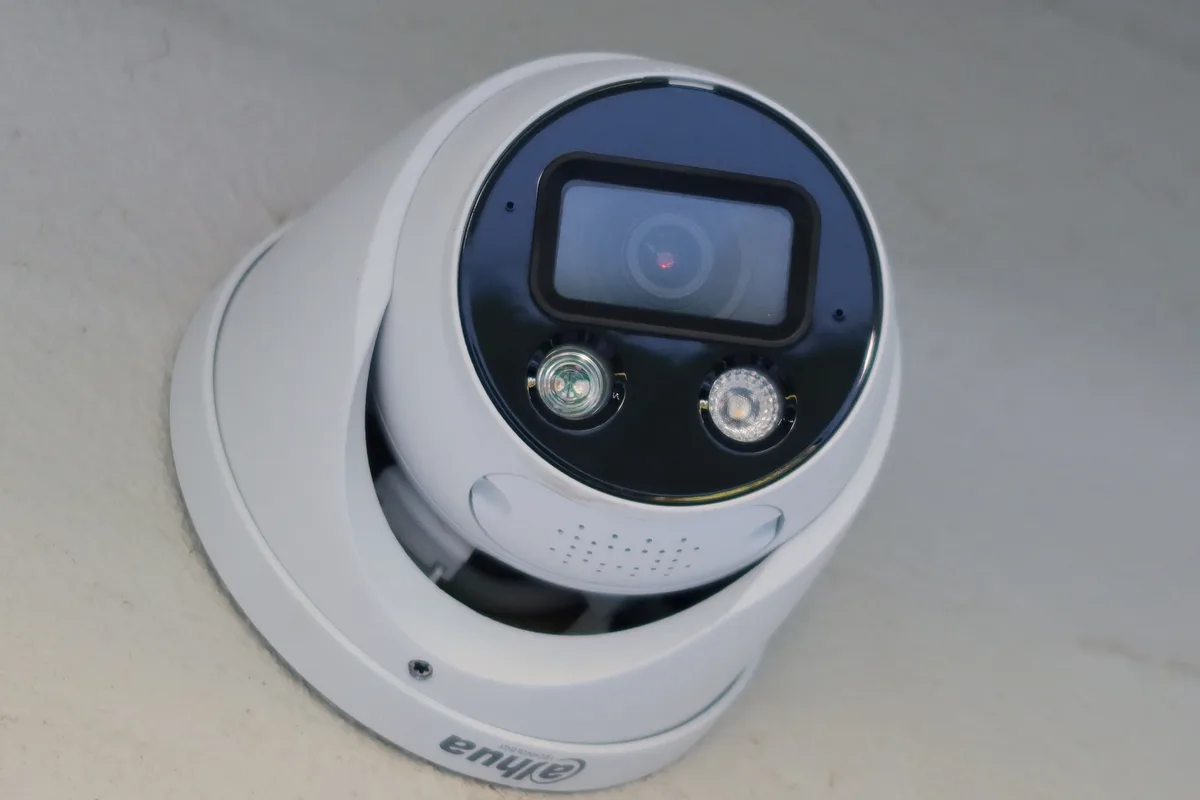
For most high-end residential projects, we recommend a hybrid: an on-site NVR for 4K recording and long retention, combined with cloud-based remote access for convenience. Dahua, Hikvision, and Uniview all offer enterprise-grade hardware with consumer-grade app experiences now.
The single biggest mistake we see is underestimating the cabling. Running cat6 properly to every camera position is not glamorous, but it's the difference between a system that works for a decade and one that needs attention every other year.
Key takeaways
- On-site NVRs still lead for image quality and retention.
- Cloud-first consumer systems work, but watch the privacy and reliability trade-offs.
- A hybrid NVR plus cloud remote access suits most high-end homes.
- Cat6 cabling quality has outsized impact on long-term reliability.